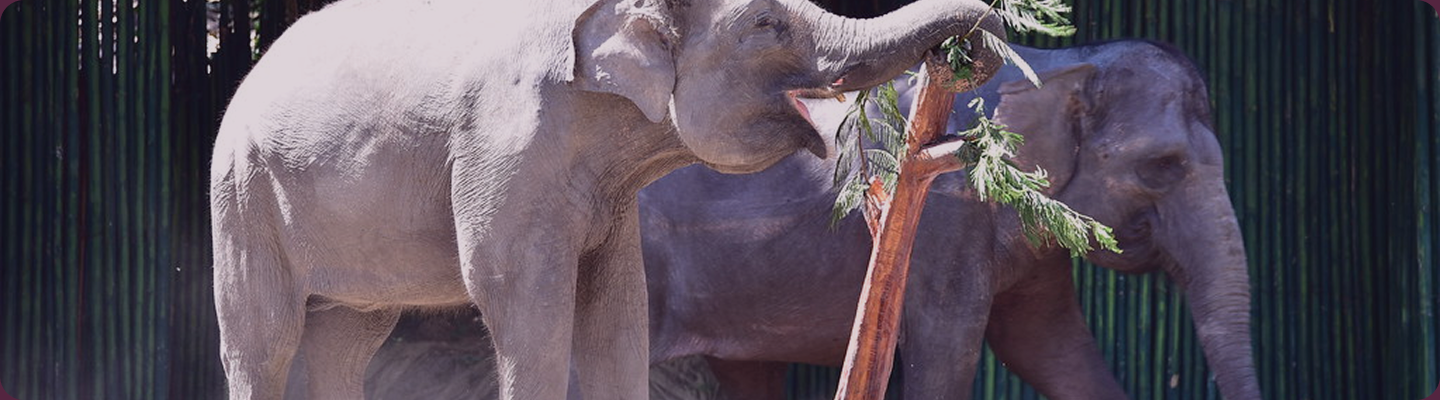
In 2021, a herd of wild elephants crossed into Gadchiroli from Chhattisgarh - the first in living memory. Driven by habitat loss and mining in their native ranges, they found refuge in Gadchiroli’s forests. For local communities who had never seen wild elephants before, their arrival brought awe - but also fear. Crops were trampled, homes damaged, and nights turned sleepless as people adjusted to life alongside giants
Their arrival comes at a critical time: India’s wild elephant population has fallen from over 100,000 a century ago to around 27,000 today. Yet elephants are not just wanderers; they are ecosystem engineers whose movements plant seeds, dig waterholes, and sustain countless other species. Protecting them - and the forests they create - means protecting the very resources local communities depend on. The future here lies in coexistence, not conflict: finding ways for people and elephants to share the land safely and thrive together
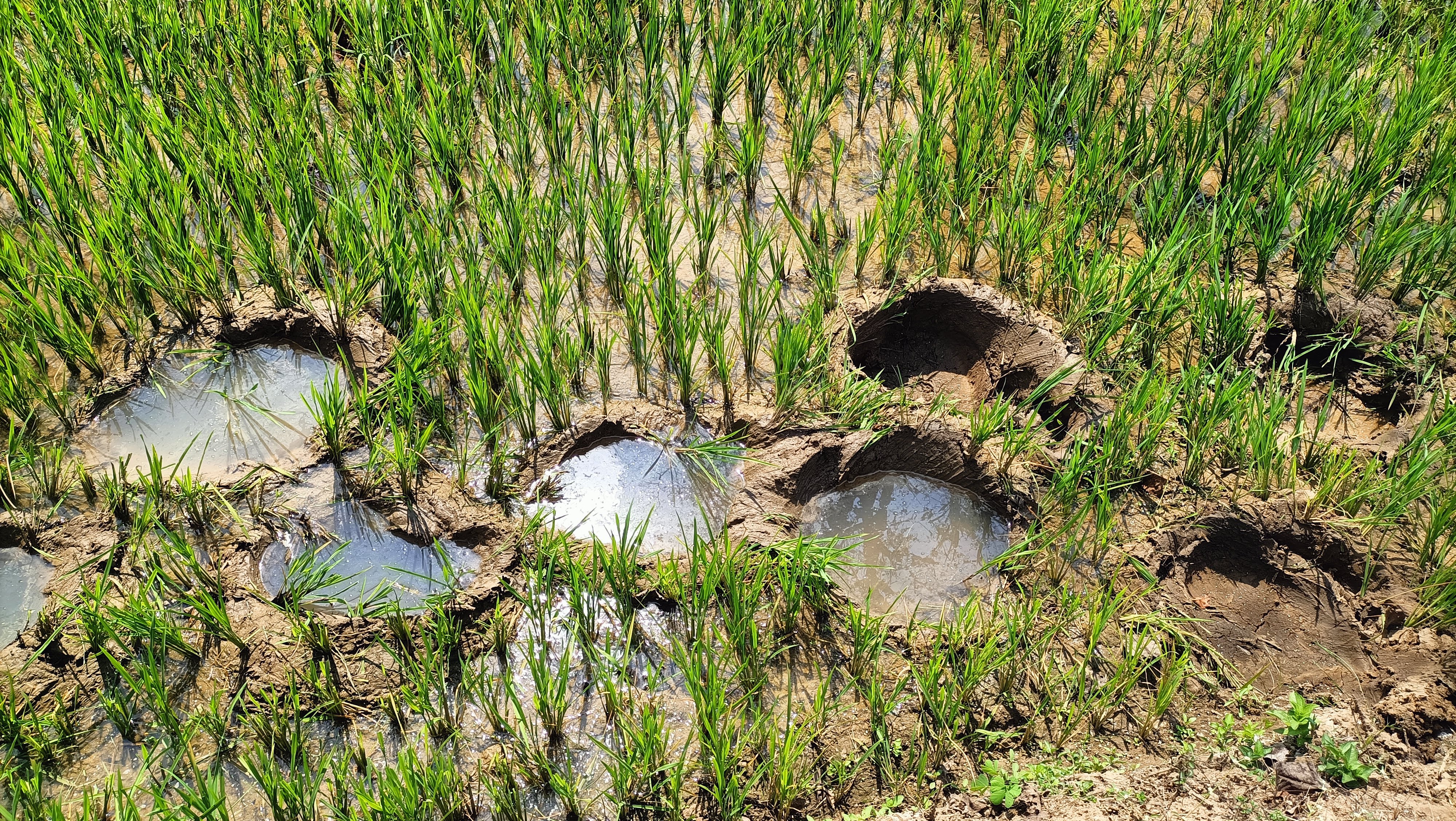
Elephant raid on farmer's rice field
Our Approach: Prevention, Not Retaliation
We work to stop conflict before it starts - protecting lives, livelihoods, and elephants
Thermal drone capturing elephant movement at night (Credit: Forest Department)
Community Sensitisation
Through trainings, we help villagers understand how to respond when elephants approach - what to do, and just as importantly, what not to do - replacing fear with preparedness
Thermal Drones & Early Warnings
In partnership with the Forest Department, we track elephant herds at night using thermal drones and send early alerts to nearby villages, giving families time to move livestock and family
Compensation for Losses
We are piloting a program to compensate farmers whose crops or property are damaged, reducing financial strain and building community support for conservation
Support our crowdfunding campaign and help build a powerful symbol of coexistence - one that protects both elephants and the communities who live alongside them
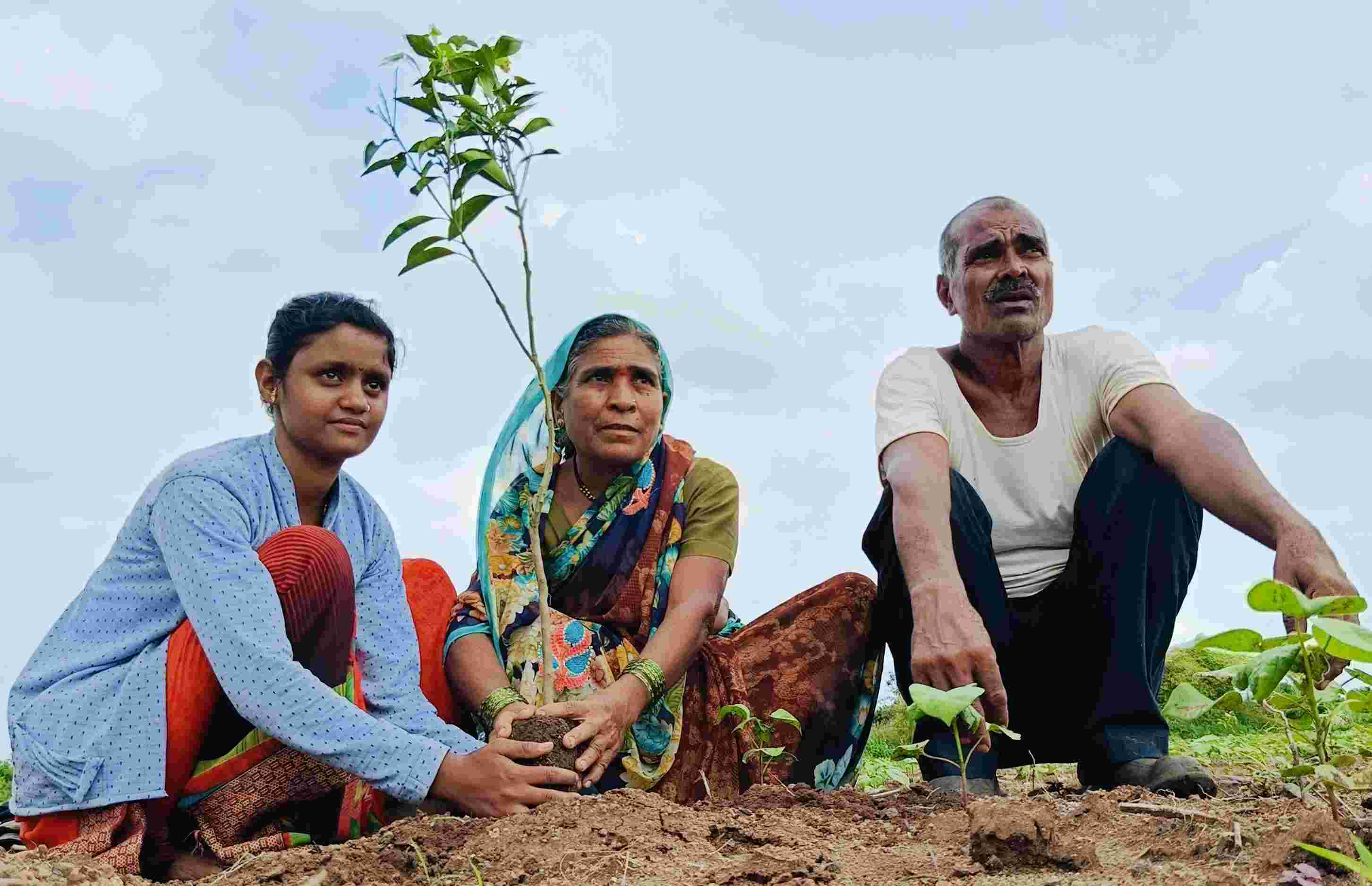
Agroforestry
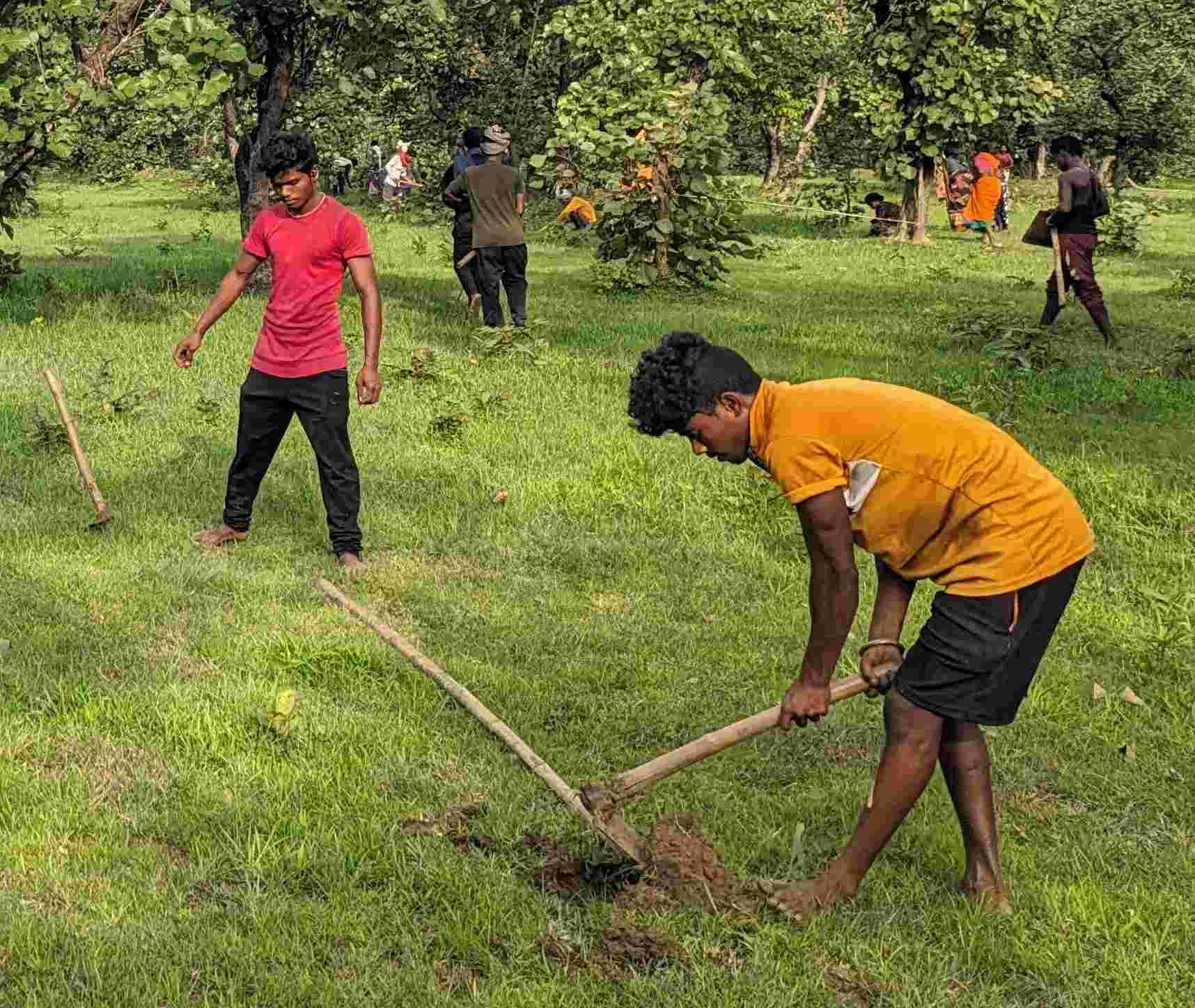
Forest Protection
.png)
.png)